Reading streak: 0 days
An article · Delivery
Pace, Pause, and Being Believed
Two people can say the same true sentence and only one is believed. The difference is almost never the words.
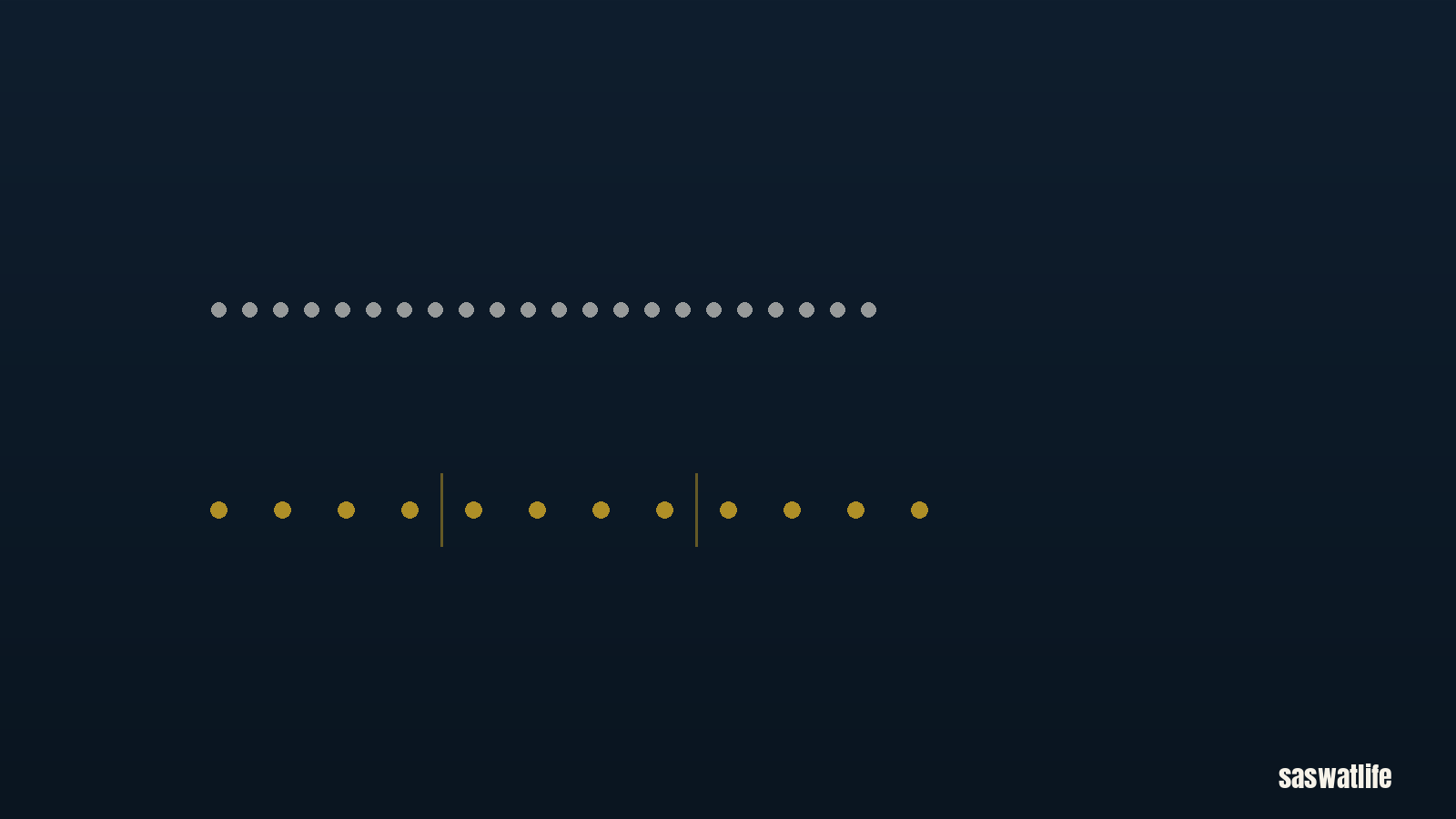
You have watched this happen. Someone makes a sound point and it slides past the room. A few minutes later another person makes the same point, barely reworded, and the room leans in and nods. Same content. Opposite reception. If you only listened to the transcript you would not be able to tell why one worked.
[YOUR STORY: describe a specific time you watched identical content land differently, or a moment your own delivery undercut a true thing you said. What was the difference you could see but not name at the time?]
For years I believed being right was enough. Get the content correct and the room would follow, because reason wins. It does not, or not on its own. The room does not receive your content directly. It receives your content wrapped in how you delivered it, and if the wrapping says "I am not sure," the room hears "this is not sure," no matter how sound the thing inside.
Delivery is the third dimension: how the words actually leave you. Pace, pause, emphasis, the breath underneath. It is the one everyone can see, which is why it collects blame that belongs to the other four. But when the break truly lives here, it is unmistakable, and it usually comes down to speed and stillness.
We rush when we are unsure, as if speed could carry us past the moment before anyone examines it. But the rush is the tell. It signals that we want to be finished, and a room reads a speaker who wants to be finished as a speaker who does not quite believe what they are saying. Slow is smooth, and smooth is believed. The unhurried voice says: I can stand behind this long enough to let you look at it.
The pause is the most underused tool in delivery, and the most powerful. A short silence after an important line does what no emphasis can. It tells the room the line mattered, and it gives them the beat they need to take it in. Speakers fear the pause will look like they lost their place. Used on purpose, it looks like exactly the opposite: a person so in command they can afford to stop.
None of this is performance, and that distinction matters. I am not describing a technique to seem confident while feeling hollow. I am describing how to let a true thing arrive intact, without your nerves editing it on the way out. The content was already good. Delivery is only the promise that it reaches the room in the shape you meant.
But be careful before you conclude delivery is your problem, because it is the great impostor. It is where every other break becomes visible. An unclear intent looks like weak delivery. A buried message looks like weak delivery. Diagnose honestly: if you deliver casual conversation with ease and only tighten under stakes, your delivery is fine, and the break lives elsewhere.
If it truly is delivery, the cure is close and physical. Slow down. Put a real pause after the sentence that matters. Breathe before you begin. These are not talents reserved for naturals. They are habits, and habits are curable.
Be heard. Be remembered. But first, find out where it breaks.
Next on the shelf: The Voice You Bring Into the Room · or see the five dimensions the articles draw from.
When you are ready:
The First Call