Reading streak: 0 days
An article · Presence
Reading a Room Before It Reads You
Presence is not only what you send. It is what you catch. The best communicators are reading the room long before they try to move it.
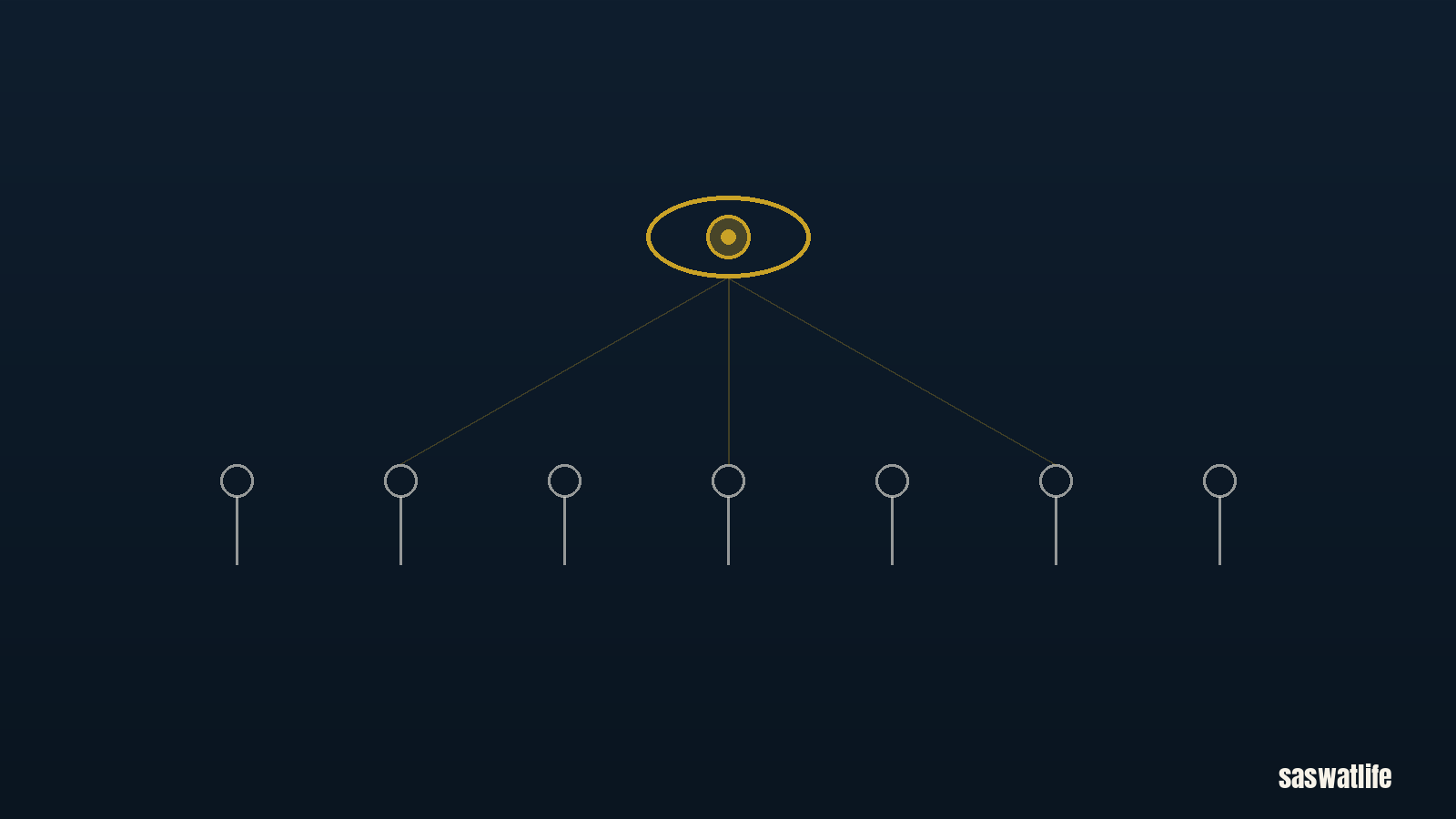
We prepare to speak by preparing what we will say. We rehearse the message, the phrasing, the open. And then we walk into a room that is in a completely different state than the one we rehearsed for, and we deliver our prepared self to a room that needed something else, and we wonder why it did not land.
[YOUR STORY: describe a time you misread a room, or the moment you learned to read one before speaking. What was the room actually feeling, and what did you say into it before you understood?]
The hardest lesson in presence was that it flows both ways. I had thought of presence as output, the impression I made. But half of it is intake, the impression I take in, and I had been walking into rooms broadcasting on full volume while receiving nothing. I was so busy being present that I was not, in the truest sense, there.
Presence includes perception. Before you move a room, you have to know where the room is. Look before you leap applies to people as much as to ground. A room has a temperature, a mood, an unspoken question sitting in it, and if you speak your prepared piece without first catching that, you are answering a question no one asked while the real one goes unaddressed.
The reading is fast when you learn to do it. You catch it in the faces, the posture, the quality of the quiet as you enter. Is this room tired or eager? Braced or open? Waiting for permission or waiting to leave? None of this is mystical. It is attention, pointed outward, in the seconds most people spend rehearsing their first line one more time.
What you do with the reading is adjust. Not abandon your intent, but meet the room where it is on the way to where you want it. A tired room needs you to earn its attention before you spend it. A skeptical room needs you to name the doubt before you argue past it. The prepared piece was built for an imagined room. The real room is in front of you, telling you what it needs, if you are receiving.
This is why presence and connection sit so close together. Reading the room is how presence becomes connection, how being there turns into reaching them. The speaker who broadcasts without receiving may have flawless delivery and still never connect, because they are speaking to the room they imagined and not the one that came.
Diagnose carefully here too, because misreading a room can look like many things. It can look like a delivery problem or a message problem when it is really that you never caught what the room was holding. If your words are sound and your voice is steady and rooms still slip away from you, ask whether you were ever reading them at all, or only speaking at them.
The practice is a redirection of attention: outward, in the moments before you speak. Enter, and read before you reach. Catch the room's real state and meet it there. Perception is a muscle, most of us have simply never pointed it this way, and pointing it is entirely curable.
Be heard. Be remembered. But first, find out where it breaks.
Next on the shelf: Speaking So It Lands · or see the five dimensions the articles draw from.
When you are ready:
The First Call