Reading streak: 0 days
An article · Message
Cutting the Sentence in Half
The strongest thing you can do to a message is remove from it. Almost no one does, because cutting feels like losing.
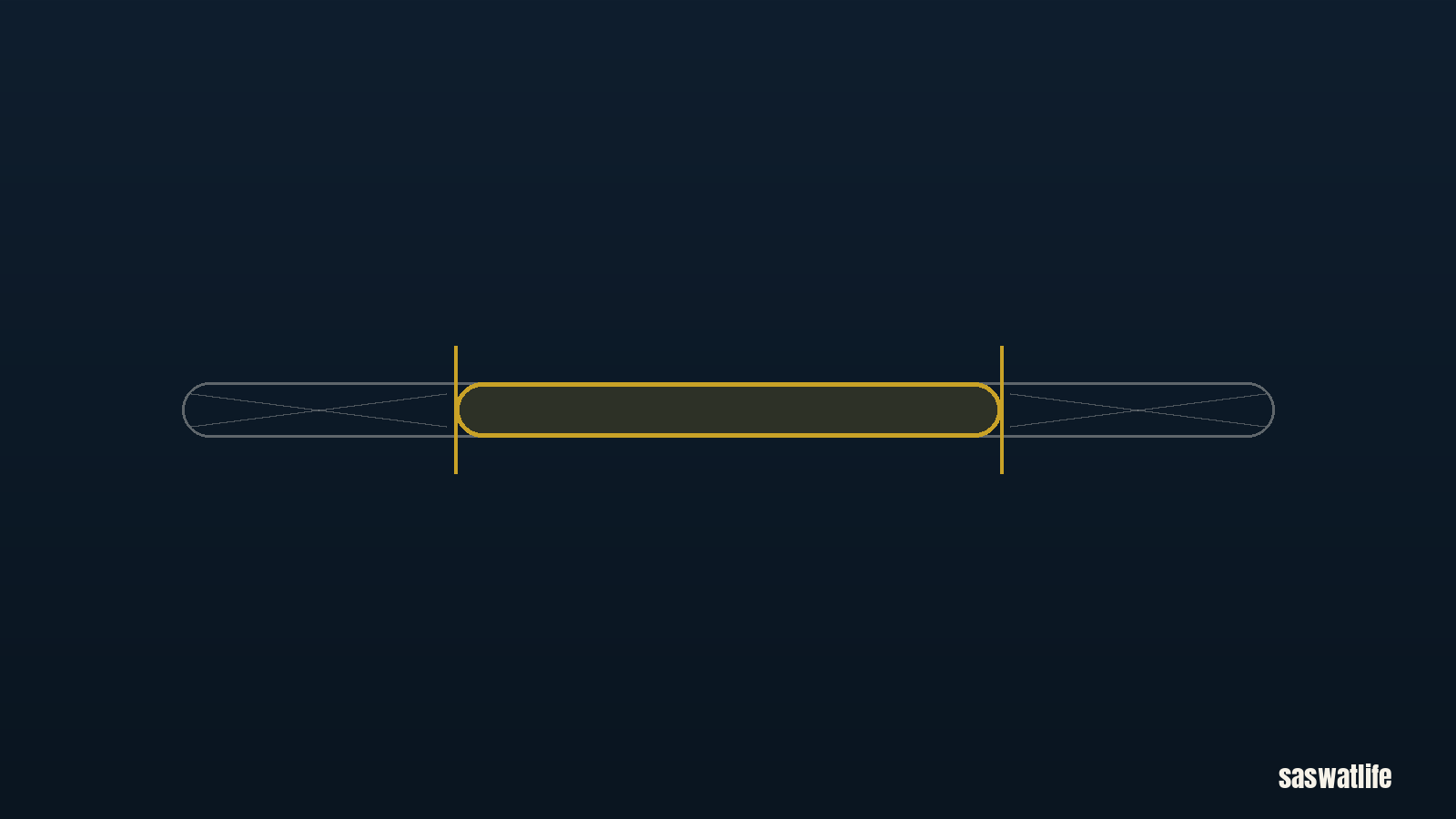
Ask someone to improve a message and they will add to it. A qualifier for safety. A second example for weight. A softening clause so no one takes offence. We build messages the way anxious people pack for a trip, throwing in more against every imagined need, until the case will barely close and we cannot lift it.
[YOUR STORY: describe a specific message you over-built, or one you watched collapse under its own weight. An email, a briefing, a pitch. What was buried, and what happened when it stayed buried?]
The most important editing I ever learned did not add a single word. It took them away. I would write what I meant to say, then read it aloud, and every time I reached for a caveat I would ask whether the sentence survived without it. Usually it did. Usually it stood straighter.
Message is the second dimension: what you choose to say, and just as much, what you choose to leave out. The leaving out is the harder half. Anyone can say more. It takes judgment to say less and trust that less will land harder. If you would be pungent, be brief, because the drop of attar is worth more than the barrel of rosewater.
Every extra clause is a cost, and we rarely count it. Each qualifier invites the listener to weigh a doubt you introduced yourself. Each redundant example tells them the first was not enough. Each softening phrase quietly announces that you are bracing for a blow, which teaches the room to brace too. You meant to strengthen the message. You padded it until the point could not be found.
The cut feels like loss because you can see everything you are removing and none of what you are gaining. But the gain is real: a clear line the listener can hold. A single edge instead of a soft mass. The sculptor does not add marble to make the figure. He removes it, and the figure was always inside, waiting for the excess to go.
There is a discipline here that steadies over time. Say the thing. Stop. Do not rescue the silence that follows with three more sentences explaining what you already said well. The silence is not a hole to fill. It is the space where your listener actually receives what you gave them, and if you fill it, you take it back before it lands.
This break hides easily. A buried message looks like a delivery problem, because the listener seems not to be hearing you. So you say it louder, longer, again, which buries it further. The fix is not more volume. It is less message. Find the one line that matters and let everything else fall away.
Take your next important message and cut it in half before you send it. It will frighten you a little. Send it anyway and watch it land harder than the long version ever did. The instinct to overpack is common and human, and it is entirely curable.
Be heard. Be remembered. But first, find out where it breaks.
Next on the shelf: Pace, Pause, and Being Believed · or see the five dimensions the articles draw from.
When you are ready:
The First Call