Reading streak: 0 days
An article · Delivery
Why do I speak too fast or mumble without noticing
Speed is rarely about speed. It is about how long you believe you are allowed to hold the room.
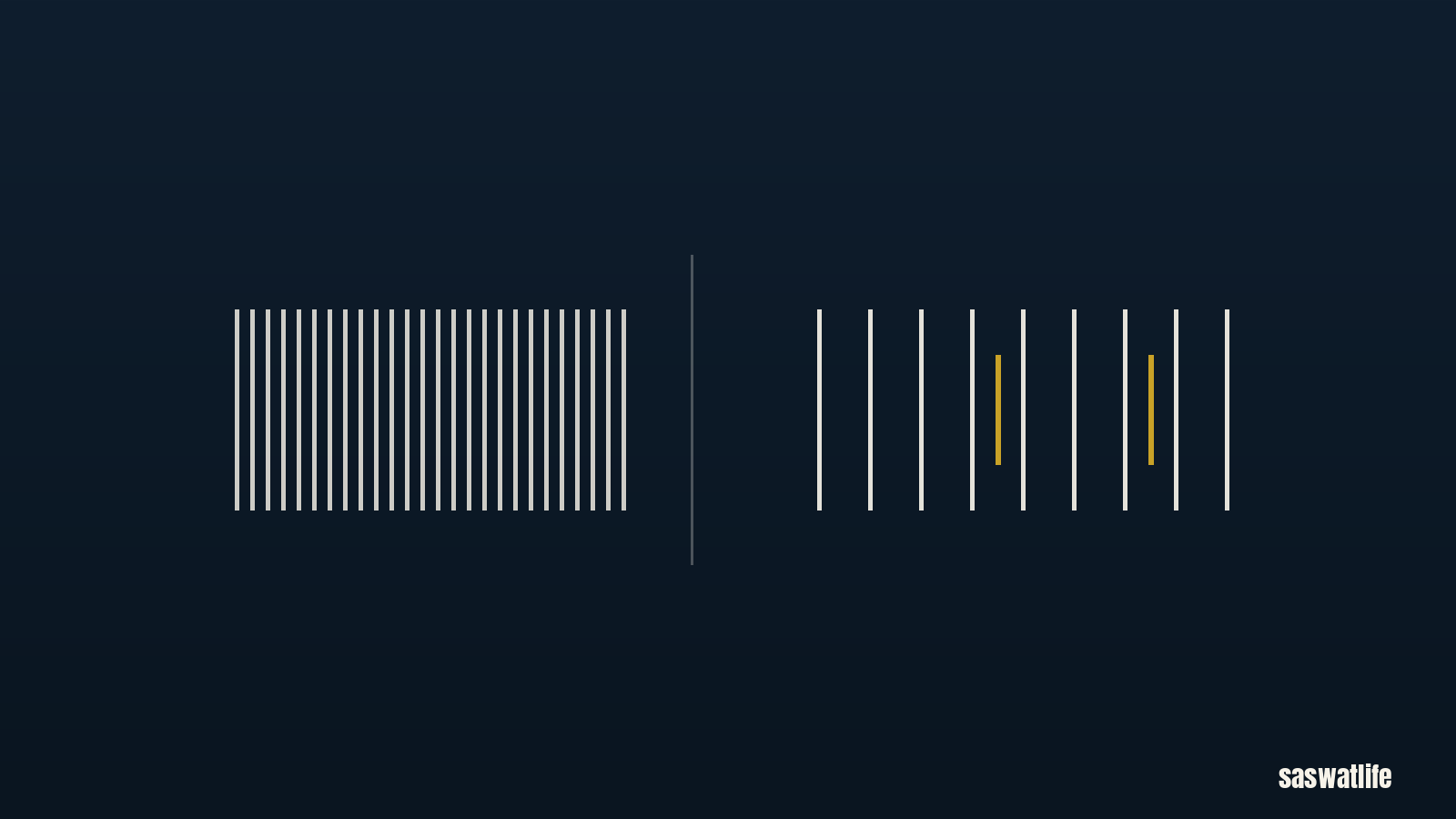
Somebody has asked you to repeat that, again, and they are being kind about it. You had not felt fast. Inside, it seemed like a normal pace, possibly even a careful one. Then you hear yourself on a recording and there it is, the words tumbling into each other, the ends of sentences swallowed, whole syllables missing where you were sure you had said them.
This is not a nervous habit you are stuck with and it is not simply how you talk. It is a permission problem showing up as a speed problem, and it is curable.
Almost nobody speaks fast because they enjoy speaking fast. They speak fast because somewhere underneath is a belief about how long they are allowed to hold the room, and the belief is short. So the sentences get compressed to fit the window, consonants get dropped because consonants take time, and the ends of sentences suffer most because by then you are already hurrying toward the exit. This is the third dimension, Delivery, and the mumbling is not separate from the speed. It is what speed does to the edges of words.
A woman I worked with was told all her life that she talked too fast, and had spent years trying to slow down by an act of will. It never held for more than a sentence. What changed things was noticing where it did not happen. With her sister, on the phone, for an hour, she was perfectly paced. The speed was never a motor problem. It only appeared in rooms where she suspected she was borrowing time rather than being given it.
Which is why the standard instruction, just slow down, does so little. It treats the output and leaves the cause running, so you slow down for one sentence, the underlying hurry reasserts itself, and by the third sentence you are back where you started and now also self conscious.
The useful thing to know is that pace is not really controlled by pace. It is controlled by the pauses, and pauses are much easier to install deliberately than speed is to reduce.
There is a cost here that fast speakers consistently underestimate. A listener needs processing time and can only take it in the gaps you leave, so a rushed delivery does not merely feel hurried, it actively prevents comprehension. This is why fast speakers so often find that their best material lands worst. The room did not disagree with it. The room never finished receiving it, because the next sentence arrived before the last one had been unpacked.
So the drill is to practise stopping rather than slowing. Take any sentence you have to say and mark one place inside it where you will stop completely, for a full second, mid sentence, not at the end. Then say it with that stop in place. It will feel absurdly long to you and it will sound normal to everyone else, and that gap between the two is the whole lesson. Do this daily on real sentences, and vary where the stop falls. You are not learning to speak slowly. You are proving to yourself repeatedly that the room does not leave when you pause, which is the belief that was compressing you in the first place.
There is a Done For You version of this, calibrated against recordings of your own speech. It sits inside the work, not on this page.
If people keep asking you to repeat yourself, The First Call is fifteen minutes, free, and it is a conversation rather than a test. You talk, I listen, and by the end we both know whether this is work worth doing. The locating itself happens in The Diagnosis. One door: saswatlife.com.
Next on the shelf: Why does my voice sound flat even when I care about what I am saying · or see the five dimensions the articles draw from.
When you are ready:
The First CallNot ready for that yet? New articles are announced on the saswatlife channel on WhatsApp.