Reading streak: 0 days
An article · Delivery
Why does my voice sound flat even when I care about what I am saying
Caring is not audible by itself. Somewhere between the feeling and the sound, the signal is being flattened.
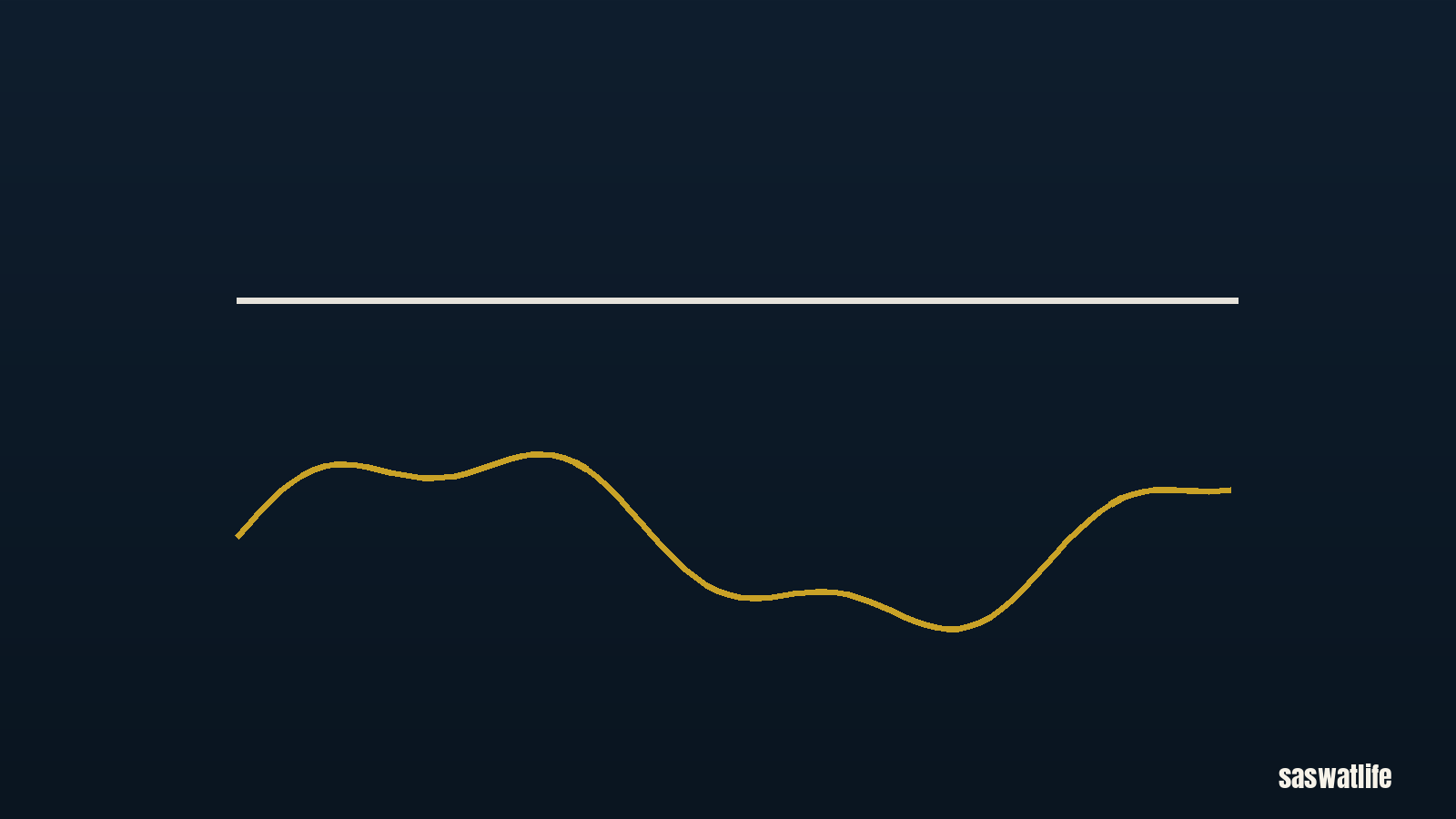
You care about this. You have thought about it for weeks. You say it out loud and it comes out level, even, the same note from start to finish, and you can hear the room deciding that you are not particularly invested. Someone else says something half as considered with twice the colour in it, and that is the version the meeting remembers.
This is not coldness and it is not a personality that simply reads as distant. It is a signal that is being flattened somewhere between the feeling and the sound, and flattening is curable.
Caring is not audible by itself. It has to be carried, and what carries it is variation, in pitch, in volume, in the length of the pauses between phrases. Under any kind of self consciousness the body reduces all three at once, because variation is exposure and a level voice is safe. So the flatness is not an absence of feeling, it is feeling with the range clamped down, and the room reads the clamp rather than the feeling. That is the third dimension, Delivery, where the thing you meant and the thing that arrives are two different objects.
The evidence is usually sitting in your own week. The same person who sounds flat in a presentation is fully expressive complaining about traffic, or explaining a film they liked, or talking to a dog. Nothing about the voice changed. The monitoring did. When nobody is grading you, the range comes back without being asked.
The advice at this point is to be more passionate, which is close to useless, because it asks you to generate more of something you already have plenty of. You are not short of feeling. You are short of the physical range that would let the feeling out, and telling someone to feel harder just adds pressure to a system that flattens under pressure.
There is one specific place to look first. Listen to how your sentences end. A flat voice almost always drops every sentence to the same low note, and that single habit does more damage than everything else combined, because a falling ending signals finality, and a paragraph of falling endings signals that nothing here is going anywhere.
Expect the recording to be unpleasant the first time, and expect it to mislead you in one specific way. Your own voice reaches you through bone as well as air, so the version in your head carries a fullness the recording does not, and the flatness on playback feels like the discovery of something shameful. It is not. It is simply the version everybody else has been hearing all along, which also makes it the version that can be worked on.
So the drill works on the endings. Take five sentences from anything and read them aloud, and deliberately end two of them slightly higher than you began, one of them much lower, and two of them level. Exaggerate it well past what feels natural, then listen back if you can record it, because the recording will sound moderate where the doing felt theatrical. Do this daily with different material. You are not learning to perform. You are widening the range you have access to under observation, so that when something matters to you, the voice has somewhere to go.
There is a Done For You version of this, worked against your own recorded range rather than an ideal one. It sits inside the work, not on this page.
If what you care about keeps arriving as though you do not, The First Call is fifteen minutes, free, and there is nothing to prepare. You talk, I listen, and we work out together whether this is work worth doing. The locating itself happens in The Diagnosis. One door: saswatlife.com.
Next on the shelf: Why does my energy drop the longer I talk · or see the five dimensions the articles draw from.
When you are ready:
The First CallNot ready for that yet? New articles are announced on the saswatlife channel on WhatsApp.